New Wine, New Wineskins

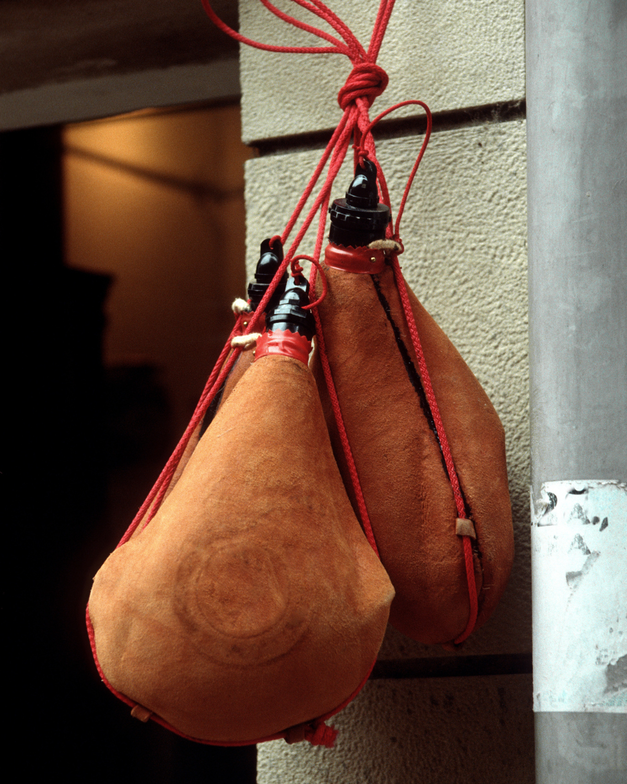
There's a moment in the Gospels that feels almost revolutionary. Jesus is being questioned about why His disciples don't fast like everyone else. Why aren't they following the established rhythms? Why do they seem so different from the religious norm?
His response cuts through centuries of tradition with a simple, profound image: new wine and new wineskins.
"No one puts new wine into old wineskins," Jesus says. "If he does, the wine will burst the skins—and the wine is destroyed, and so are the skins. But new wine is for fresh wineskins."
This isn't a critique of the old. It's an explanation of change. It's a declaration that God is doing something fresh, something alive, something that cannot be contained by what used to work.
The Issue Isn't the Wine
Here's what we need to understand from the start: the issue is never the wine. God's Spirit, His blessing, His presence—these are always good, always powerful, always life-giving. The question Jesus poses is different: Is the wineskin ready?
In ancient times, wine was stored in leather skins that would stretch as the wine fermented. New wine, still alive and expanding, needed a flexible container. An old wineskin—already stretched to its limit, hardened by time—couldn't accommodate that expansion. Pour new wine into it, and both would be ruined.
This is the tension many of us face. We want God's blessing. We pray for revival. We ask for fresh outpourings of the Holy Spirit. But are we willing to become the kind of vessels that can actually hold what He wants to pour out?
New Wine Is Alive and Untamable
Throughout Scripture, wine carries rich symbolism. In Psalm 104:15, we read that God gives "wine to gladden the heart of man." It represents joy, celebration, abundance. The prophet Joel speaks of a day when "the threshing floors shall be full of grain; the vats shall overflow with wine and oil"—a picture of divine blessing and provision.
But perhaps most significantly, wine imagery appears at Pentecost. When the Holy Spirit falls on the disciples, observers mock them, saying they're full of new wine. Peter stands and declares that this isn't drunkenness—this is the Spirit of God being poured out.
New wine is unstable. It's expanding. It's alive. It's still fermenting.
That's precisely what the Holy Spirit is like. You cannot manage Him. You cannot contain Him in your carefully constructed systems. You cannot pour Him into something inflexible and expect it to survive.
The Spirit moves. He disrupts. He overflows. He breaks through boundaries we thought were permanent.
Old Wineskins Aren't Evil—They're Just Rigid
Here's an important distinction: old wineskins weren't sinful. They served their purpose beautifully. They held wine for years. They were useful, functional, even valuable.
But they had become:
- Already stretched to capacity
- Hardened by time and use
- Inflexible and unable to expand
- Set in their shape
The problem wasn't their age. The problem was their inflexibility.
How often do we confuse longevity with legitimacy? How often do we assume that because something worked before, it must work forever? How often do we resist change simply because we're comfortable with what we know?
God doesn't discard people because they're "old wineskins." He invites them into a process of renewal. He calls them to become flexible again, to be stretched again, to make room for what He's doing now—not just what He did before.
The real question is: Are we willing to be reshaped?
The Making of a New Wineskin
Here's what many miss: new wineskins aren't found. They're made.
The process of preparing a wineskin involved soaking, stretching, softening, and reshaping. It was intentional. It was sometimes uncomfortable. But it was absolutely necessary.
This is the spiritual formation process:
- Prayer softens our hearts
- Fasting stretches our dependence on God
- Repentance reshapes our thinking
- Humility makes us pliable
- Surrender prepares us for what's coming
God prepares the wineskin before He pours the wine. He doesn't surprise unprepared vessels with His fullness and expect them to hold it. He invites us into a process of becoming ready.
Are you in that process? Are you allowing God to stretch you beyond your comfort zone? Are you letting Him soften areas that have grown hard? Are you surrendering control in exchange for capacity?
What This Means for Us Today
If you sense that God is doing something new in your life, your family, or your faith community, this passage speaks directly to you.
New people are entering your sphere of influence. New opportunities are opening. New responsibilities are calling. A deeper work of the Holy Spirit is stirring—not necessarily louder, but deeper. There's less room for control and more invitation to trust. Less clinging to nostalgia and more stepping into obedience.
This isn't about style preferences or generational differences. This is about spiritual capacity.
Can you hold what God wants to pour into you? Can your structures, your mindsets, your habits, your traditions accommodate the fresh move of His Spirit?
The Invitation to Flexibility
The beautiful tension in Jesus' teaching is this: He honors the old while making space for the new. He doesn't condemn those who've walked with God for years. He invites them to remain flexible, to stay soft, to keep growing.
Age in the faith should bring wisdom, not rigidity. Maturity should produce humility, not hardness. Experience should create capacity, not resistance to change.
The most dangerous place for any believer is to become so set in their ways that they cannot receive what God is doing next. To become so attached to how God moved before that they miss how He's moving now.
Both Are Preserved
Notice Jesus' final phrase: "But new wine is for fresh wineskins." When the match is right, both are preserved. The wine doesn't burst out and get wasted. The wineskin doesn't crack and become useless.
When we align ourselves with what God is doing—when we become the kind of vessels He can fill—both the blessing and the person are preserved. We don't lose what God is pouring out, and we don't break under the pressure of trying to contain it in inadequate ways.
God is not interested in destroying you with His blessing. He's interested in preparing you to carry it.
The Question Before You
So here's where this becomes personal: What is God asking you to release? What mindset needs to soften? What tradition needs to be evaluated? What control needs to be surrendered?
God isn't merely adding something to your life. He's reshaping you to carry what He's about to pour out.
The wine is coming. The question is whether the wineskin is ready.
-
City Light Church
Contact
Office Hours